The Lagoon of Seven Colors: a treasure we must protect
Bacalar not only dazzles with its natural beauty; it also safeguards one of the oldest and most valuable ecosystems on the planet. In this blog, we explore the secrets behind its magic and the importance of protecting it.
The ancestral guardians: stromatolites
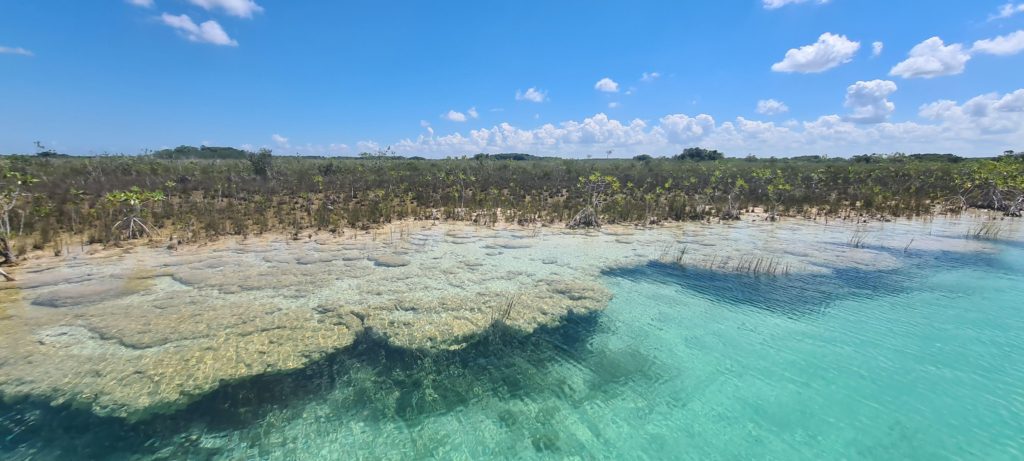
They may look like simple rocks, but they are alive. Stromatolites are colonies of microorganisms—mainly cyanobacteria—that build layered structures over thousands of years.
They form barely 1 centimeter per decade, yet they have survived for more than 3.5 billion years, long before plants or animals existed.
They are known as “living fossils” and were responsible for releasing the oxygen that made life on Earth possible.
In Bacalar, these guardians fulfill a vital role: they maintain the balance of the lagoon by filtering the water, stabilizing sediments, and giving rise to the blue hues that have made it famous.
💬 “Stromatolites are time capsules. Caring for them means protecting the past and securing the future of Bacalar.”
However, they are extremely fragile. Simply touching them, stepping on them, or anchoring boats over them can cause irreversible damage that takes centuries to recover.
The mystery of the seven colors
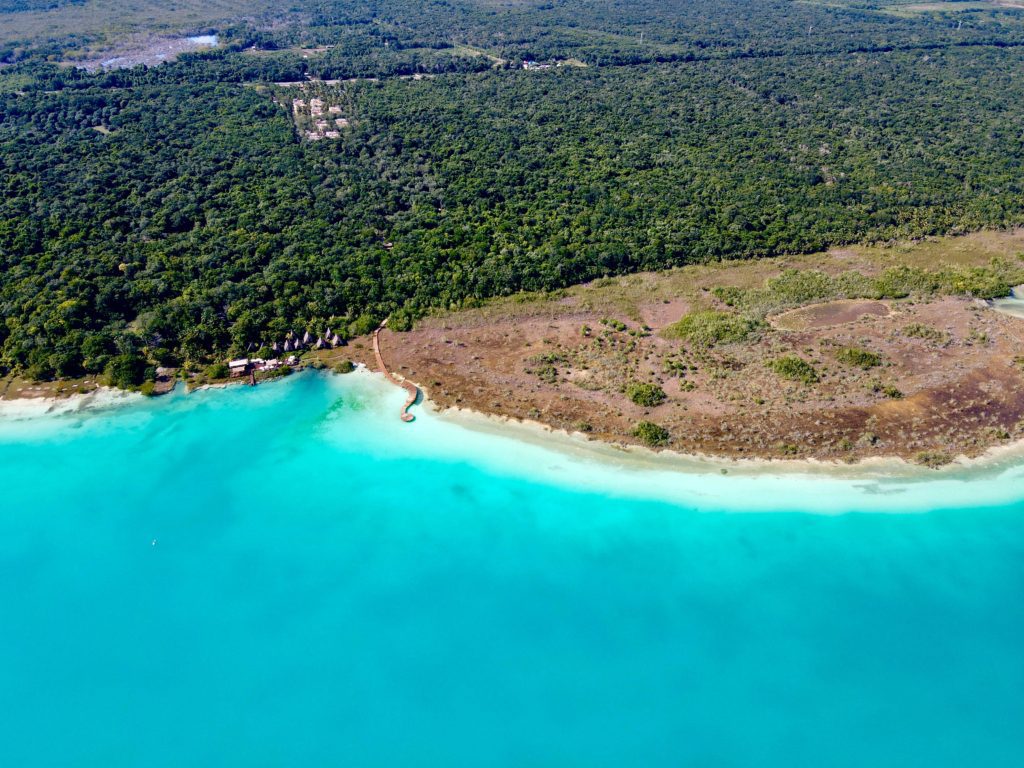
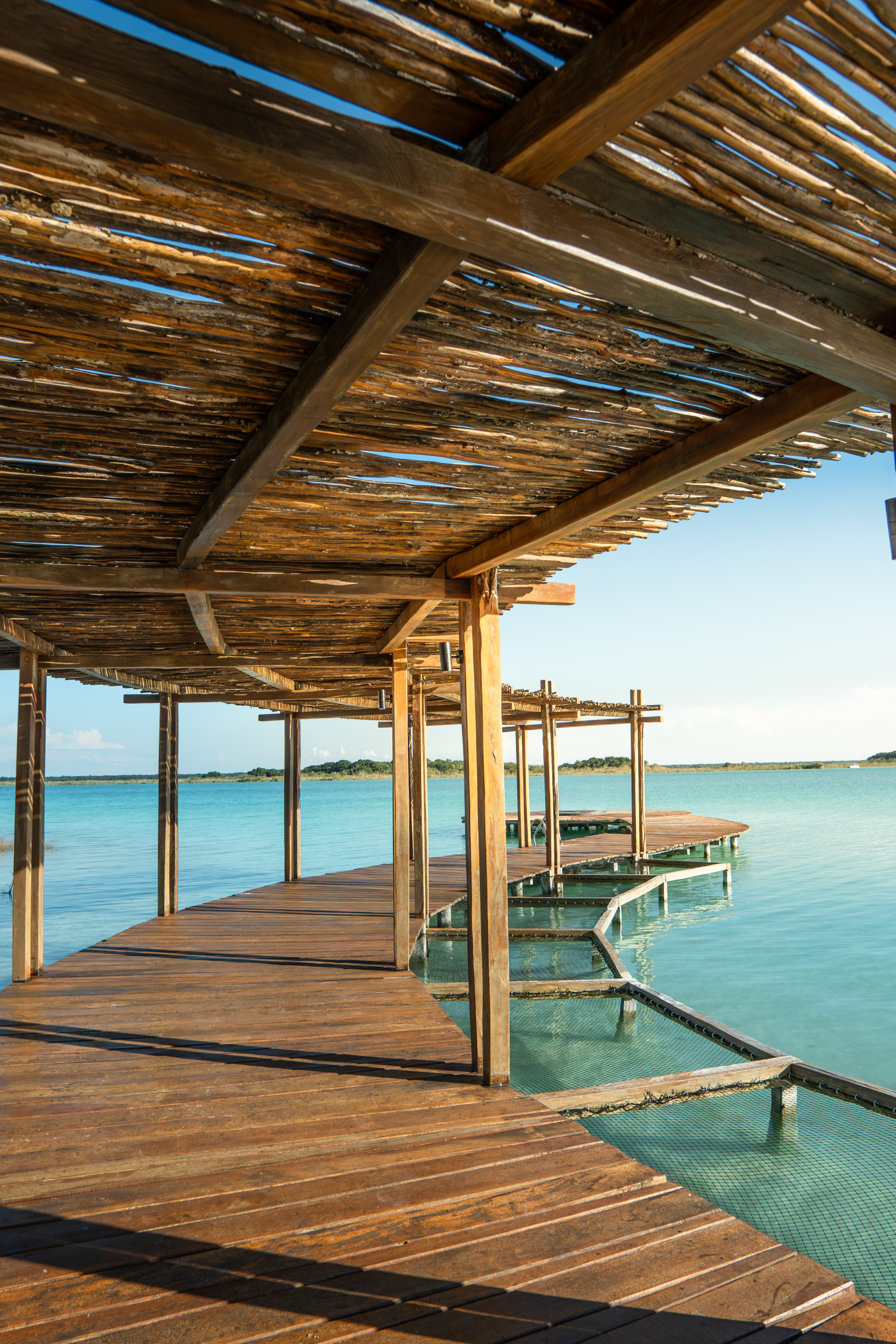
The turquoise blue that changes with light and depth is one of the greatest charms of the Lagoon of Seven Colors.
This natural phenomenon is due to three factors:
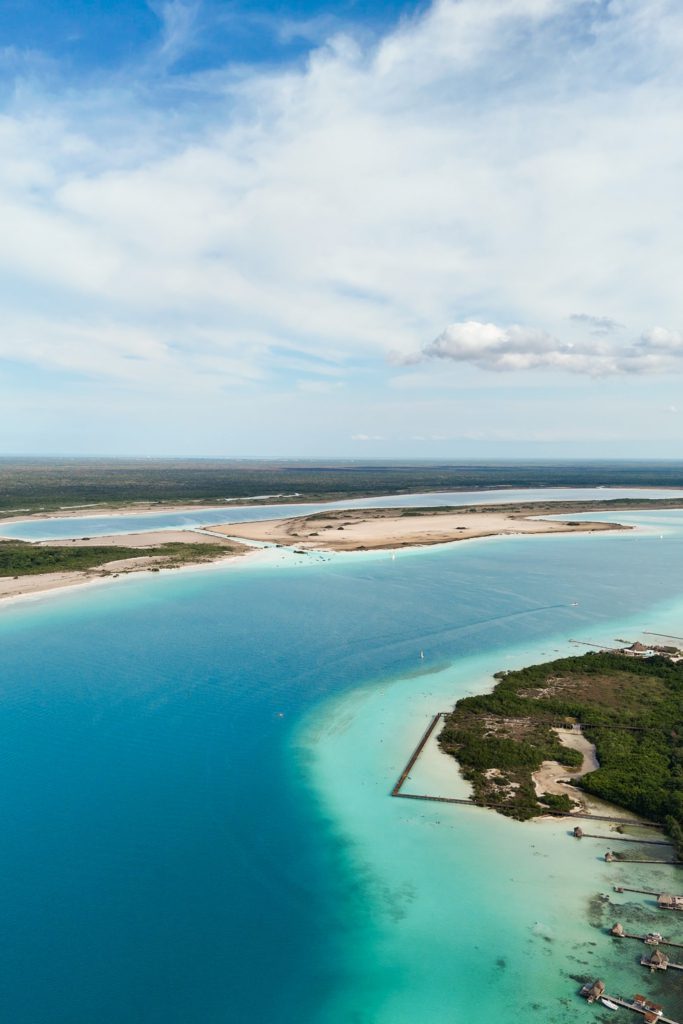
Different depths: the lagoon has areas ranging from less than one meter to nearly 100 meters deep. Shallow areas—such as the Pirates’ Channel or the rapids zone—reflect the white, clear bottom, creating turquoise tones.
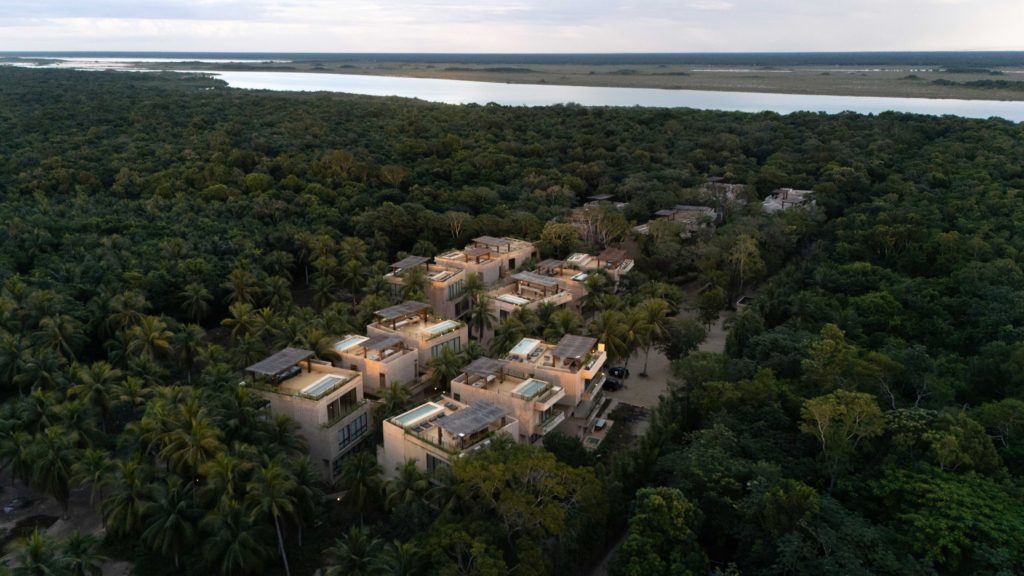
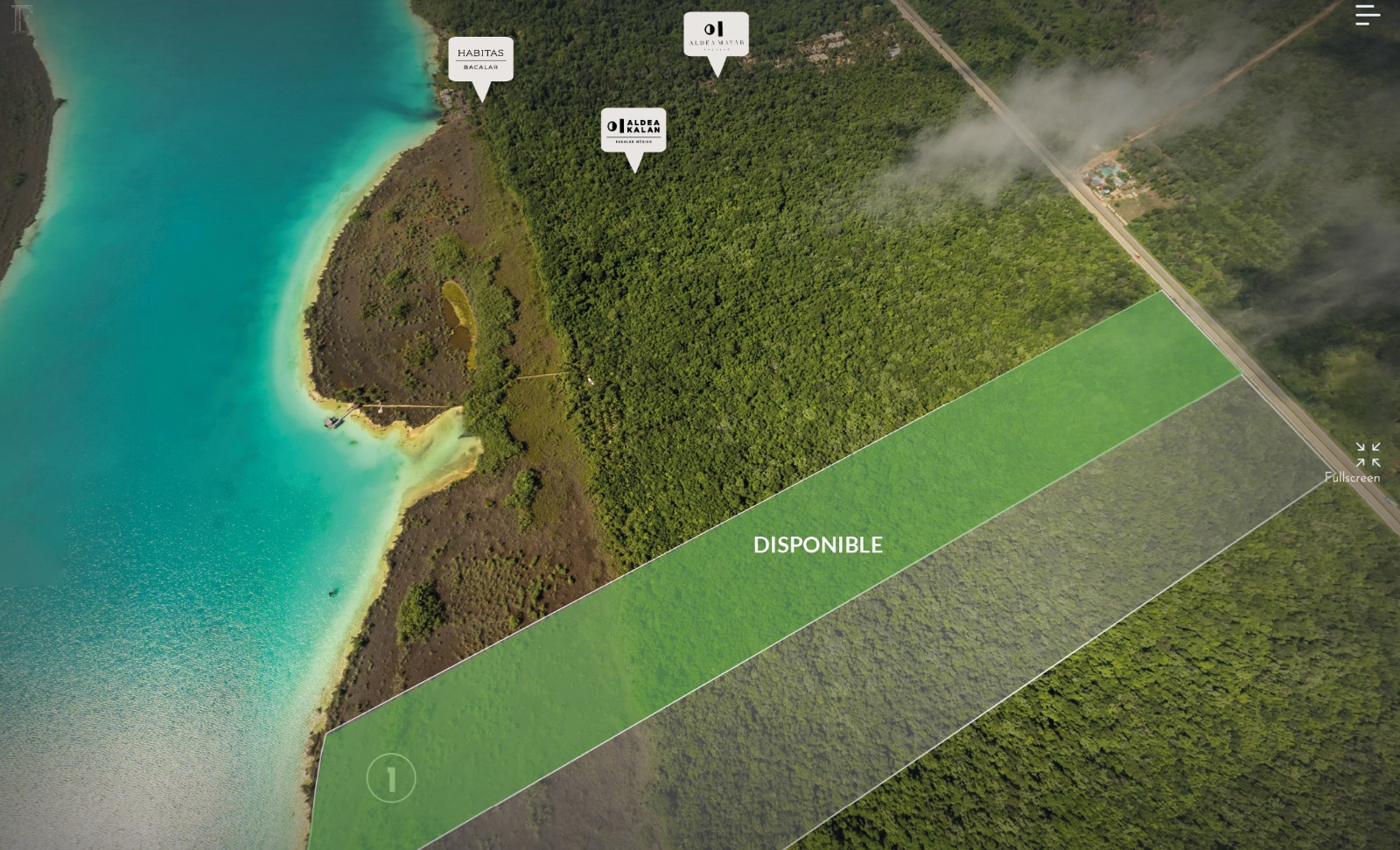
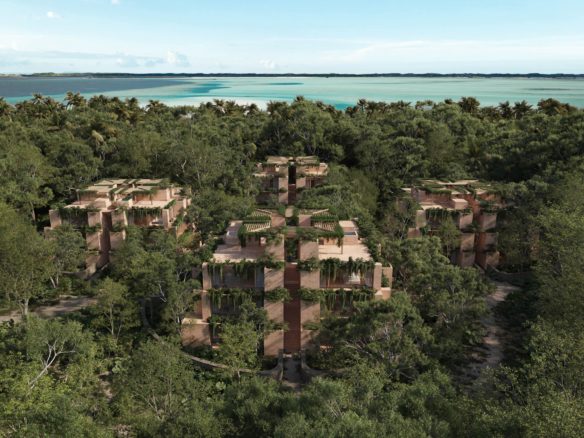
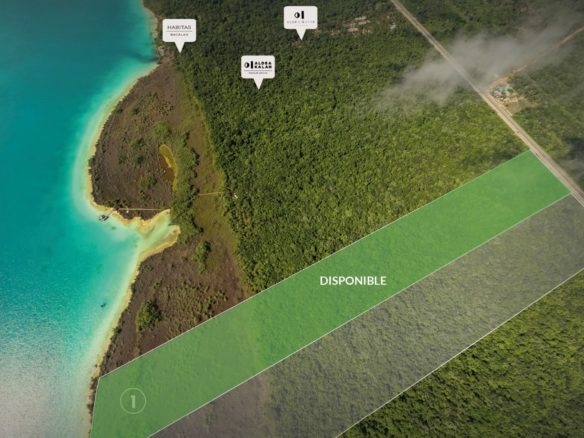
👉 This is where Aldea Mayab and Aldea Kalan are located, two residential developments on the lagoonfront with the most spectacular views.Water composition: fed by underground rivers and cenotes, the water is exceptionally clear and rich in calcium carbonate, which enhances the light blue tones.
Sunlight: throughout the day, the sun transforms the color palette; the lagoon seems alive, changing shades with every hour.
Bacalar does not have just one blue—it has all the blues that sky and water can imagine.
A shared responsibility
The conservation of Bacalar does not depend on a single institution, but on a collective effort.
The Municipal Government regulates boats and tourist activities.
SEMA and IBANQROO coordinate state environmental policies.
At the federal level, SEMARNAT and CONANP promote sustainability strategies for mangroves and wetlands.
But the most visible work comes from civil society: organizations such as Aguas Claras Ciudadanos por Bacalar A.C., Amor por Bacalar, and Mensajeros del Manglar promote environmental education, citizen monitoring, and campaigns like “If you touch them, they die.”
Likewise, academia—with institutions such as ECOSUR and UNAM—maintains constant monitoring of water quality and the health of stromatolites.
💡 Protecting Bacalar is everyone’s responsibility: authorities, scientists, entrepreneurs, and visitors.
Actions underway to preserve the lagoon
Currently, concrete measures are being implemented, focused on three main areas:
- Stromatolite protection: awareness campaigns, restricted zones for boats, and environmental signage.
- Wastewater management: new developments adopt advanced treatment systems to prevent nutrient pollution.
- Mangrove restoration: programs like Mensajeros del Manglar train tourism service providers to become active guardians of these ecosystems.
- Zero lagoon traffic every Wednesday
The result is a model of controlled growth that seeks to balance development with environmental preservation.
The future of Bacalar is in our hands
Bacalar is living a historic moment. Its beauty attracts thousands of visitors, but its fragility demands awareness.
As a local company, Select Realty Mexico believes that progress only makes sense if it respects the environment that makes it possible.
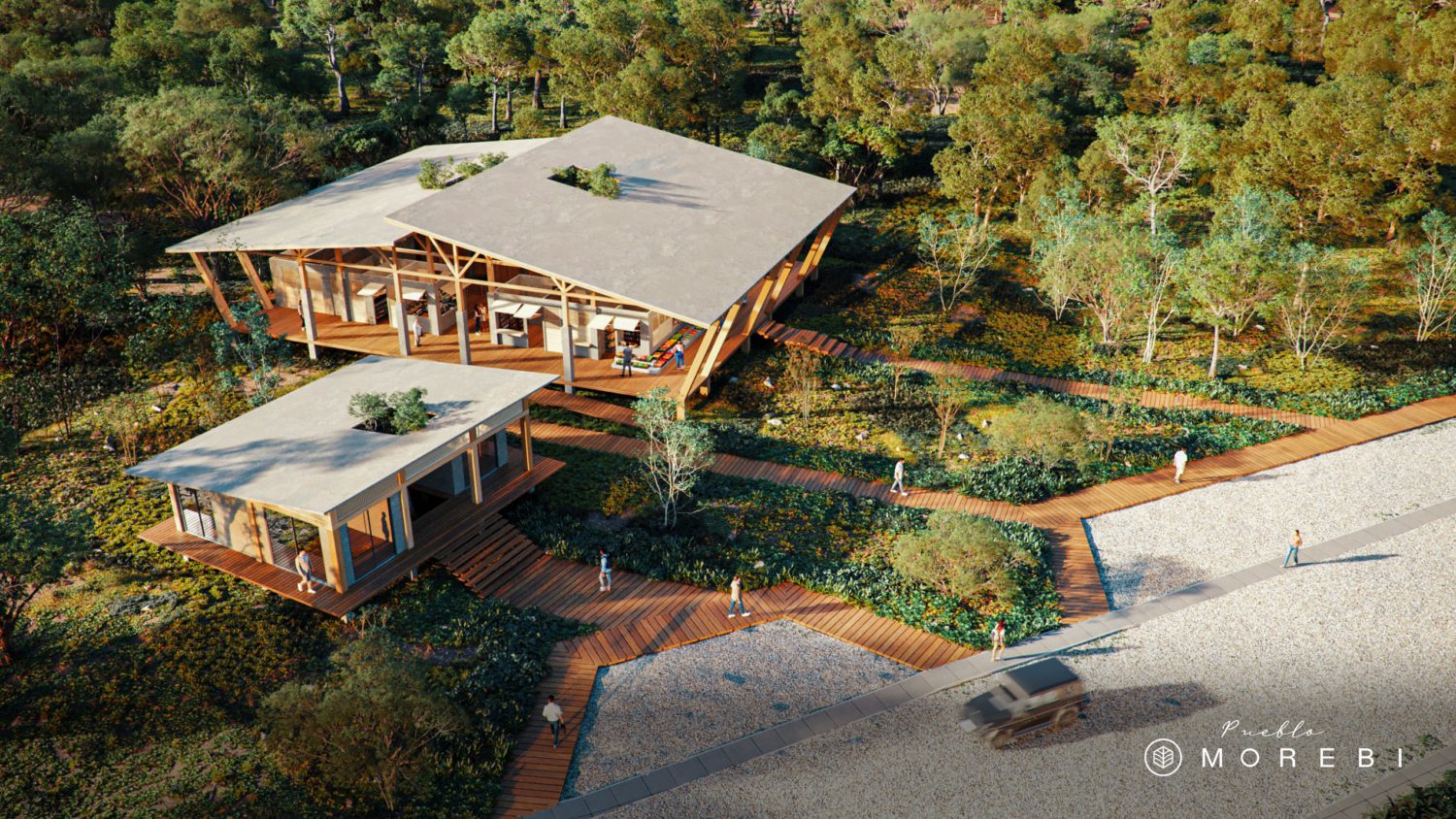
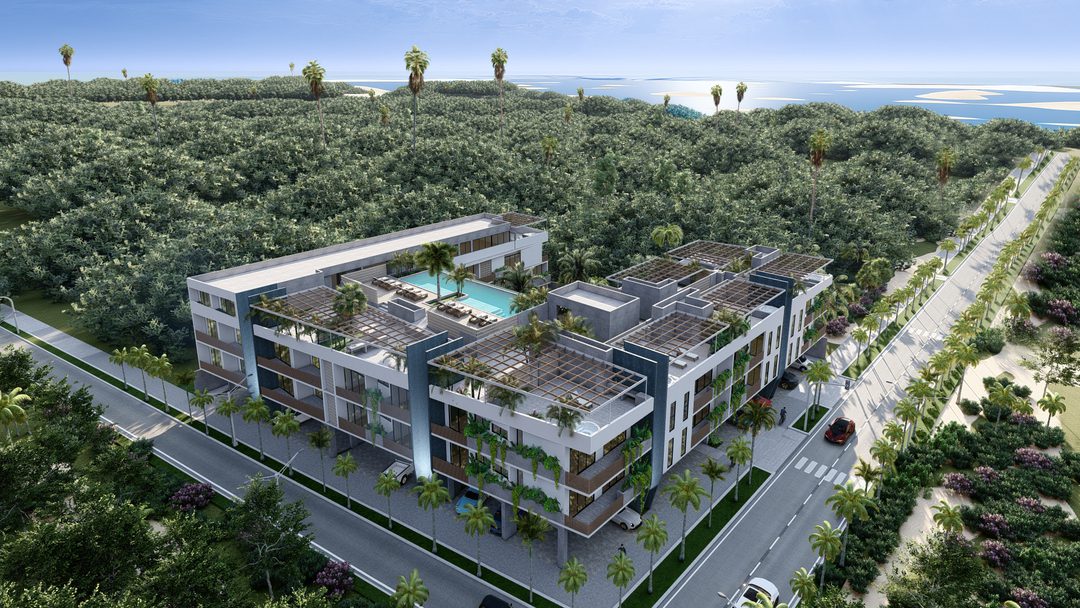
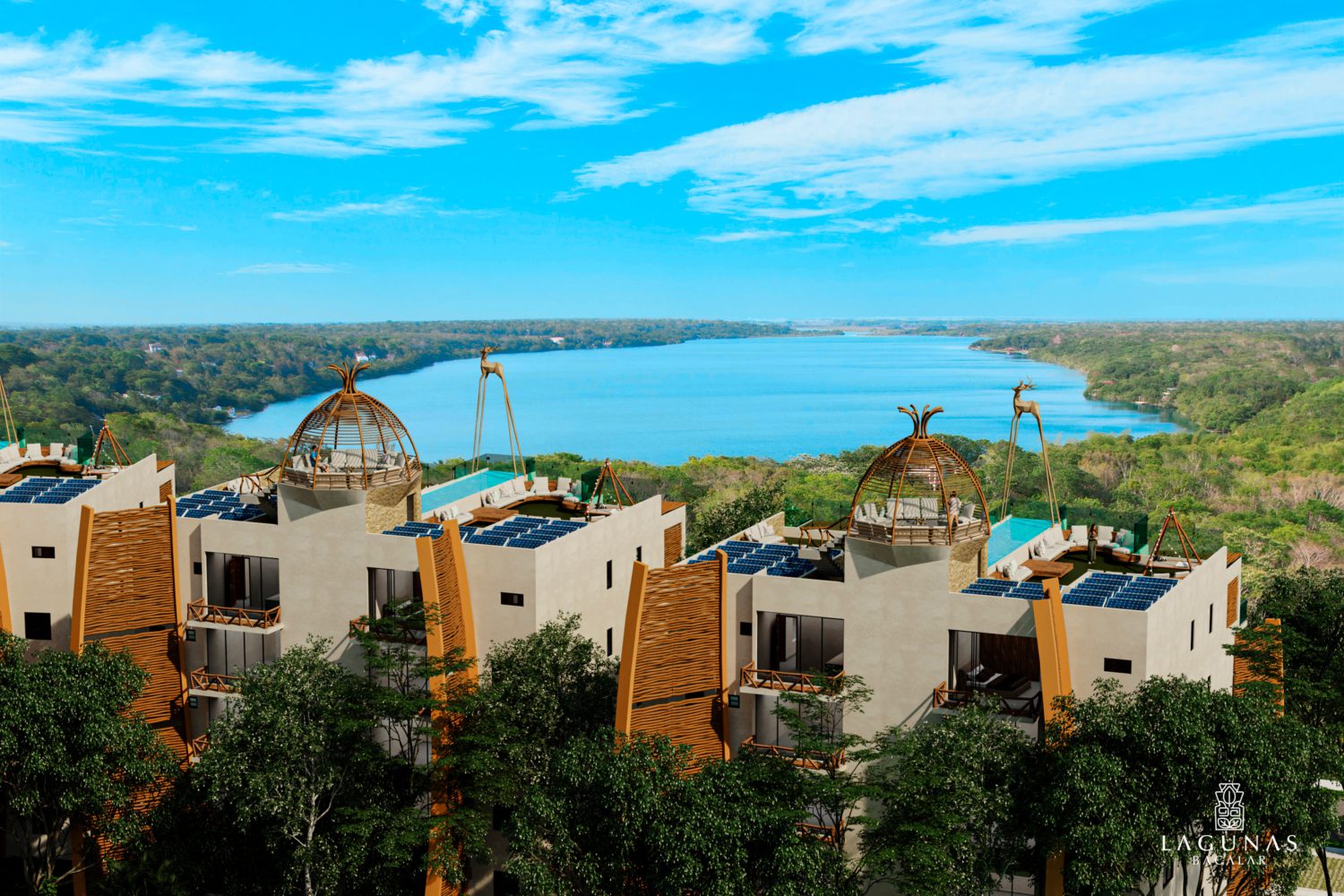
Our projects—Aldea Mayab and Aldea Kalan—were designed under principles of low density, harmony with nature, and respect for the lagoon.
Because investing in Bacalar is not just about acquiring a property:
it is about becoming part of its history and a guardian of its future.