- Essential journeys from concept to completion through pavilion 88 experiences and lasting impact
- The Genesis and Design Philosophy of Pavilion 88
- Materiality and Structural Innovation
- Programming and Community Engagement
- Examples of Successful Programs
- Measuring the Impact of Pavilion 88
- Key Performance Indicators (KPIs)
- The Future of Flexible Spaces and Community Hubs
- Expanding the Reach: Digital Integration and Outreach
Essential journeys from concept to completion through pavilion 88 experiences and lasting impact
The concept of transformative experiences is central to human growth and understanding, often facilitated by thoughtfully designed spaces. These spaces, whether architectural marvels or temporary installations, serve as catalysts for connection, contemplation, and creativity. One such example, and the focus of this exploration, is pavilion 88, a structure dedicated to fostering innovative interactions and providing a unique platform for cultural exchange. Its significance extends beyond its physical form, impacting those who engage with it and leaving a lasting impression on the broader community.
The power of a well-conceived space lies in its ability to shape behavior and inspire new perspectives. A successful environment transcends mere functionality, becoming a dynamic element that encourages participation and sparks dialogue. The design of such a space must consider not only aesthetic qualities, but also the practical needs of its users and the overall context in which it exists. This careful consideration allows for the creation of environments that are both impactful and enduring, serving as landmarks of innovation and cultural relevance. The creation of such experiences is becoming increasingly vital in a world craving authentic connection.
The Genesis and Design Philosophy of Pavilion 88
The inception of Pavilion 88 stemmed from a desire to create a versatile hub for artistic expression and community engagement. The initial visionaries behind the project recognized a need for a space that could adapt to a wide range of events and activities, from intimate performances and workshops to larger-scale exhibitions and festivals. Therefore, flexibility was paramount in the design process. The structure was conceived not as a static monument, but as a dynamic organism capable of responding to the evolving needs of its users. The design intentionally avoided rigid architectural conventions, opting instead for modular components and open, adaptable spaces. This approach allowed for a level of customization that is rarely found in traditional venues.
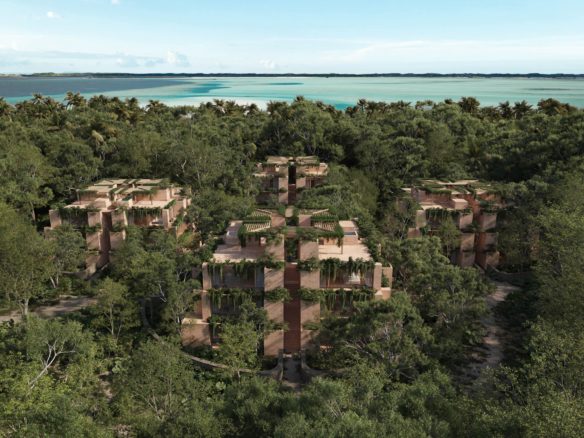
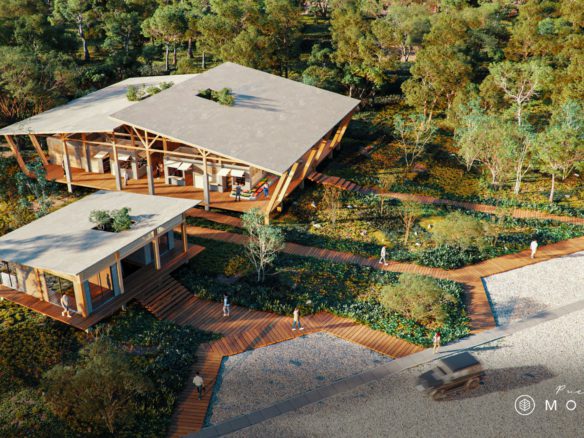
The architectural language of Pavilion 88 draws inspiration from a variety of sources, including biophilic design principles, which emphasize the connection between humans and nature. Natural materials, such as wood and bamboo, were extensively incorporated into the structure, creating a warm and inviting atmosphere. Large windows and skylights allow ample natural light to flood the interior, further enhancing the sense of connection to the surrounding environment. Sustainability was also a key consideration, with the designers employing eco-friendly building techniques and utilizing locally sourced materials whenever possible. The intention was to create a space that was not only beautiful and functional, but also environmentally responsible.
Materiality and Structural Innovation
The selection of materials wasn’t merely aesthetic; it was integral to the pavilion’s identity. The use of sustainably harvested timber provides structural integrity while minimizing environmental impact. Bamboo, known for its rapid growth and remarkable strength, forms key elements of the roof and wall construction. The transparent polymer used in certain sections of the roof allows diffused sunlight, reducing reliance on artificial lighting. The interplay of these materials – the warmth of wood, the resilience of bamboo, and the clarity of polymer – fosters a unique ambience. The structural design itself employed innovative tension-cable systems to create large, open spans without the need for intrusive support columns. This allowed for maximum flexibility in the layout of interior spaces.
| Sustainably Harvested Timber | Strength, durability, aesthetic appeal | Renewable resource, low carbon footprint |
| Bamboo | Rapid growth, high tensile strength, lightweight | Fast-growing resource, minimal processing required |
| Transparent Polymer | Light transmission, weather resistance | Recyclable, energy-efficient lighting alternative |
The integration of these elements demonstrates a commitment to both architectural innovation and environmental stewardship, establishing Pavilion 88 as a benchmark for sustainable design.
Programming and Community Engagement
From its earliest days, Pavilion 88 has served as a vibrant hub for a diverse range of programming. The space has hosted everything from contemporary art exhibitions and live music performances to community workshops and educational seminars. One of the key strengths of the pavilion is its ability to adapt to the specific needs of each event. The modular design allows for the creation of various configurations, ranging from intimate gallery spaces to large, open-air performance areas. This versatility has made it an attractive venue for artists, performers, and community organizations alike. The programming strategy emphasizes inclusivity, aiming to provide opportunities for participation and expression to people of all ages and backgrounds.
Successful community engagement, however, requires more than just a flexible space. It demands a proactive approach to outreach and collaboration. The management team at Pavilion 88 actively seeks partnerships with local schools, non-profit organizations, and cultural institutions. These collaborations result in a dynamic calendar of events that reflects the diverse interests and needs of the community. Furthermore, the pavilion offers subsidized rental rates to local artists and organizations, ensuring that the space remains accessible to those who might otherwise be excluded. This commitment to accessibility is crucial for fostering a sense of ownership and belonging within the community.
Examples of Successful Programs
Several programs showcase the pavilion’s success in fostering community engagement. A series of weekly art workshops for children, led by local artists, consistently attracts a large and enthusiastic following. A monthly open mic night provides a platform for emerging musicians and poets to share their work with a supportive audience. An annual film festival showcases the work of independent filmmakers from around the region. These programs not only enrich the cultural life of the community but also provide valuable opportunities for learning, networking, and creative expression. They demonstrate the pavilion’s ability to function as a true catalyst for positive social impact.
- Weekly children’s art workshops
- Monthly open mic nights
- Annual independent film festival
- Rotating art exhibitions featuring local artists
- Community forums on relevant social issues
The consistent success of these programs highlights the vital role Pavilion 88 plays in the local cultural landscape and its commitment to fostering a vibrant and inclusive community.
Measuring the Impact of Pavilion 88
Assessing the impact of a cultural space like Pavilion 88 requires a multifaceted approach, going beyond simple attendance numbers. While visitor statistics provide a basic measure of reach, they fail to capture the more subtle and profound effects of the space on the community. Qualitative data, gathered through surveys, interviews, and focus groups, is essential for understanding how people perceive and experience the pavilion. This qualitative data can reveal the ways in which the space has influenced their creativity, their sense of belonging, and their overall quality of life. Furthermore, it is important to track the economic benefits associated with the pavilion, such as increased tourism and support for local businesses.
Measuring the long-term impact of Pavilion 88 also requires examining its influence on the broader cultural ecosystem. Has the pavilion inspired other similar initiatives in the region? Has it contributed to a shift in attitudes towards art and culture? Has it helped to attract new talent and investment to the community? These are complex questions that require ongoing research and analysis. The gathering of data should translate into demonstrable impacts. For example, providing evidence of how the pavilion has supported local artists by directly tracking exhibition sales, mentorship participation or the number of artists receiving grants after exhibiting there. The focus must be on presenting a holistic picture of the value Pavilion 88 provides.
Key Performance Indicators (KPIs)
To effectively measure its impact, Pavilion 88 employs a range of Key Performance Indicators (KPIs). These include:
- Annual visitor numbers
- Percentage of visitors from outside the local area
- Number of community partnerships formed
- Revenue generated through events and rentals
- Participant satisfaction ratings for workshops and programs
- Media coverage and social media engagement
- Number of artists featured in exhibitions
Tracking these metrics provides a tangible measure of the pavilion’s success and informs ongoing efforts to refine its programming and outreach strategies. The analysis of these numbers shows a consistent growth in community engagement and a positive return on investment.
The Future of Flexible Spaces and Community Hubs
The success of Pavilion 88 underscores a growing trend towards the creation of flexible, adaptable spaces that prioritize community engagement. In an increasingly fragmented and digital world, people are craving opportunities for authentic connection and shared experience. These spaces serve as vital anchors, bringing people together and fostering a sense of belonging. The lessons learned from Pavilion 88 can be applied to a wide range of projects, from the design of public parks and community centers to the revitalization of underutilized urban spaces. The key is to prioritize flexibility, inclusivity, and sustainability.
Looking ahead, there is a growing need for spaces that can accommodate a variety of activities and adapt to changing needs. The concept of the “third place” – a space outside of home and work where people can gather and connect – is becoming increasingly relevant. These spaces must be designed to be welcoming, accessible, and inclusive, offering opportunities for both individual reflection and collective interaction. Incorporating technologies that enhance the user experience, such as interactive displays and digital wayfinding systems, can further enhance the value of these spaces. Embracing the principles that underpin the success of pavilion 88 will pave the way for a more vibrant and connected future.
Expanding the Reach: Digital Integration and Outreach
While the physical presence of Pavilion 88 is paramount, extending its reach through digital platforms is crucial for broadening its impact. Creating a robust online presence—including a regularly updated website, active social media channels, and virtual tours—allows individuals unable to visit in person to engage with the pavilion's offerings. This digital integration also offers opportunities for showcasing artwork, livestreaming events, and hosting online workshops, effectively transcending geographical limitations. Furthermore, collaborations with digital artists and the incorporation of augmented reality experiences can enhance the visitor experience, providing new layers of interaction and discovery.
However, digital outreach must be thoughtfully balanced with a continued commitment to in-person engagement. The pavilion can leverage its digital platforms to promote upcoming events, solicit feedback from the community, and cultivate a sense of online community among its patrons. A targeted social media strategy, focused on showcasing the stories of artists and community members, can help to amplify the pavilion’s message and attract new audiences. Ultimately, the goal is to create a seamless integration between the physical and digital worlds, maximizing the pavilion's impact and ensuring its continued relevance in an evolving cultural landscape. This will allow for greater engagement and further evolution of the experience built around pavilion 88.