Yes, foreigners can purchase property directly in the interior of Mexico. However, according to Mexican law, foreigners cannot directly own real estate within the restricted zone.
The Mexican Constitution prohibits direct ownership of real property by foreigners in what is known as the “restricted zone.” The restricted zone encompasses all land located within 100 kilometers (approximately 62 miles) of any Mexican border, and within 50 kilometers (approximately 31 miles) of any Mexican coastline. However, to allow foreign investment in these areas, the Mexican government created the “fideicomiso,” which is, broadly speaking, a real estate trust. Essentially, this type of trust is similar to trusts established in the United States, but a Mexican bank must be designated as the trustee and, as such, holds the title to the property and is the registered owner. The Mexican government created the “fideicomiso” to reconcile the issues involved in developing the restricted zone and attracting foreign capital. This allowed foreigners, as beneficiaries of the trusts, to enjoy the unrestricted use of land located in the restricted zone without violating the law.
Fideicomiso VS. Mexican Corporation
A fideicomiso allows a foreign buyer to own property with all the rights of a citizen. With a single fideicomiso, you can own many Mexican properties. Above all, you own the properties with continuity, and it will be the property of your heirs. In addition, you can transfer the fideicomiso to another foreign buyer if you wish to sell.
A fideicomiso is valid for 50 years and is renewable thereafter (by you or your heirs). It can be held by one or more persons or an entity (LLC, for example). Opening a fideicomiso, including fees paid to the Secretary of Foreign Relations, is approximately US$1,800, and the annual fees are around US$500.
Foreigners can also own land in restricted areas through a Mexican corporation. These can be 100% foreign-owned. Only consider a corporation when purchasing real estate strictly for investment or business. If you plan to subdivide and develop land, a Mexican corporation makes sense.
Corporations have more restrictions and reporting requirements than fideicomisos. You must file monthly reports on income and expenses. Assets in a corporation are considered commercial, so they are subject to additional taxes.
The initial costs to establish a corporation will vary depending on the attorney. The minimum required is $50,000 Mexican pesos. In addition, you will also incur annual costs for the certified accountant to handle.
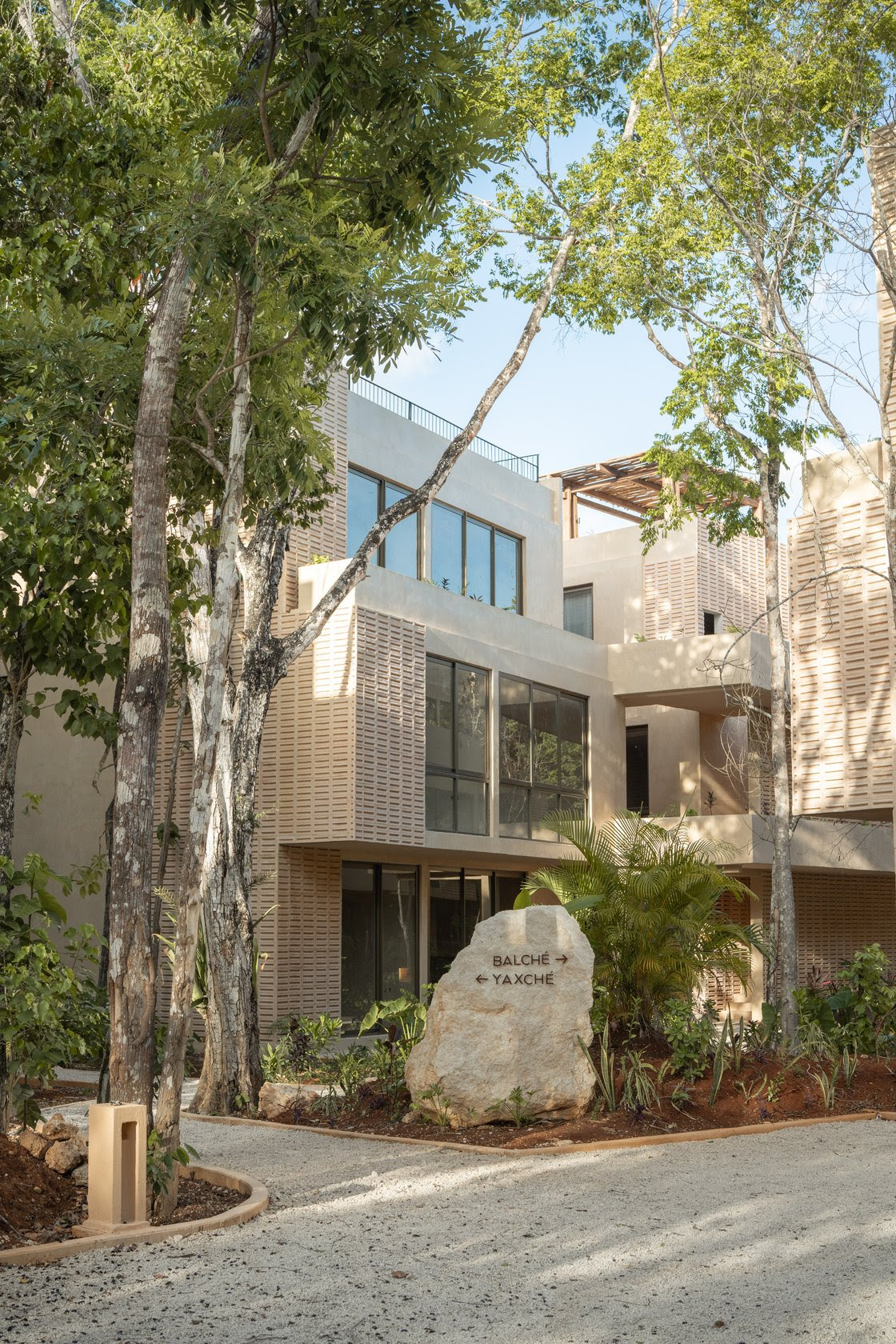
Aldea Mayab: Official Construction Roadmap & Post-Sales Excellence (July 2026)
Phase 1: Construction Closing and Delivery When we shared our construction roadmap for Aldea Mayab, we focused on the hard work of building structures, infrastructure,